Navigation
Injectables & Fillers
Laser & Energy
Skin Treatments

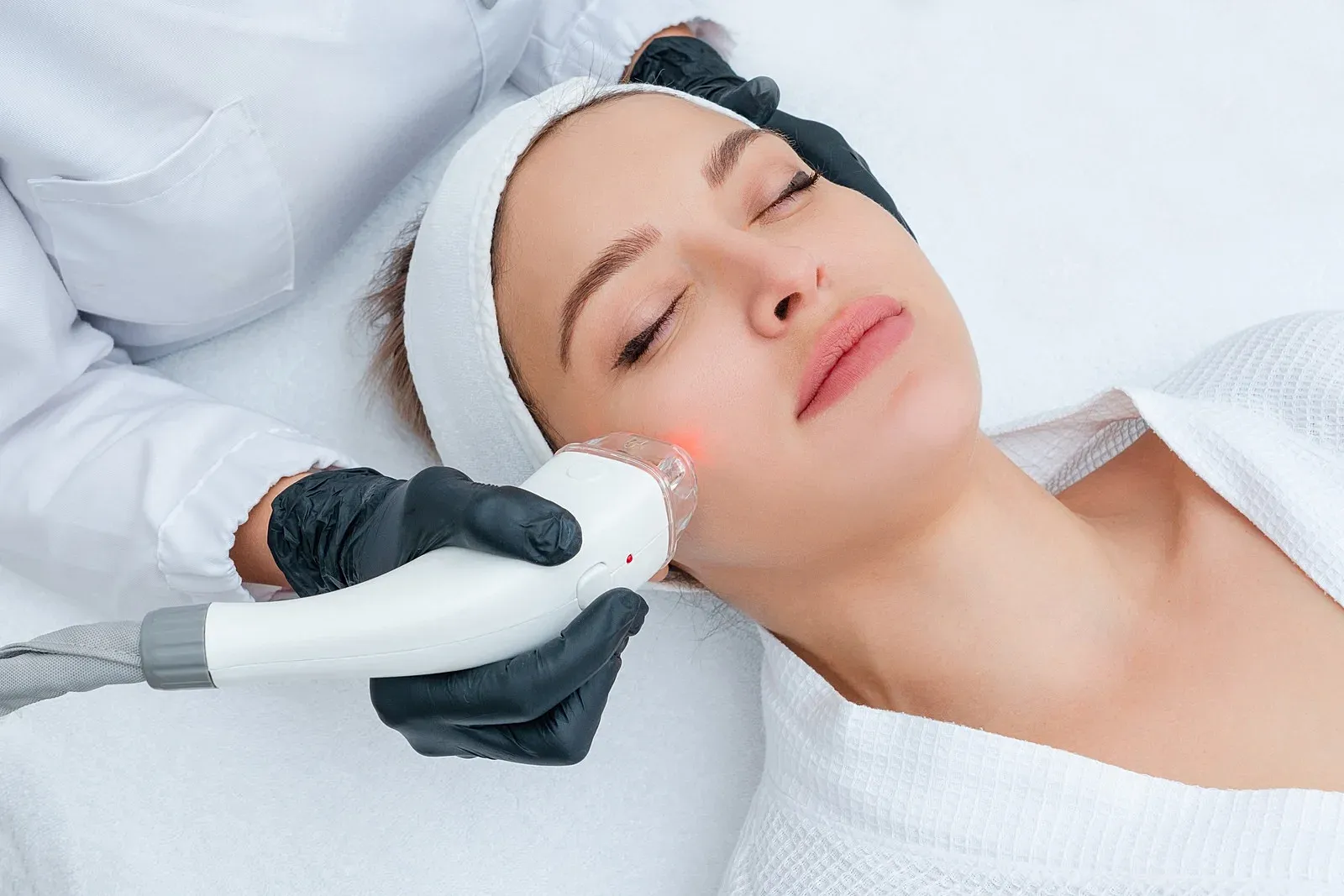
There are times when good skincare can maintain your skin beautifully, but texture, scarring, and years of sun exposure begin to ask for something stronger. At 4esthetics Lounge in Lexington CO2 laser resurfacing gives patients a more intensive option for resurfacing damaged or uneven skin while supporting fresh collagen beneath the surface. It's a treatment we approach thoughtfully, because stronger resurfacing deserves careful planning, honest expectations, and the right recovery window.
CO2 laser resurfacing is an ablative laser treatment that uses carbon dioxide laser energy to remove controlled portions of damaged outer skin while heating the underlying skin to stimulate collagen production and renewal.
Unlike lighter laser treatments or intense pulsed light, a CO2 laser reaches deeper into the skin and creates a controlled resurfacing response. As the treated skin heals, new skin cells emerge, and collagen remodeling continues beneath the surface, which can gradually improve skin texture, tone, and visible signs of damage.
Acne scarring, sun damage, age spots, uneven texture, wrinkles, and selected areas of skin discoloration.
Ablative laser skin resurfacing using carbon dioxide energy.
Healing commonly takes several days, with the exact recovery period depending on treatment depth.
Skin continues improving as it heals and new collagen fibers develop over the following months.
CO2 laser resurfacing can be used for several skin concerns, including acne scarring, wrinkles, sun damage, age spots, scars, uneven skin texture, and selected pigmentation concerns. Carbon dioxide lasers are also used when patients want more noticeable skin resurfacing than lighter treatments can typically provide.

During treatment of CO2 Laser Resurfacing Lexington patients will have a focused laser beam delivers carbon dioxide energy into the skin with precise control. The ablative laser removes microscopic portions of the outer layers while controlled heat reaches the underlying skin. This controlled thermal injury begins the healing process and encourages the formation of new collagen fibers.
A fractional carbon dioxide laser treats only a portion of the skin at one time, leaving areas of surrounding tissue intact between treatment zones. Those untreated areas help support recovery while the resurfaced skin renews itself.
For the right patient, CO2 resurfacing can create significant improvements in concerns that are difficult to address with skincare alone.
Benefits of CO2 laser may include:

Laser skin resurfacing rejuvenates your complexion by carefully removing damaged layers, prompting new cell growth for a tighter, refreshed appearance. This treatment effectively addresses discoloration, fine lines, scars, pigmentation issues, wrinkles, and sunspots. Additionally, it helps with crow's feet, laugh lines, forehead lines, sagging skin, spider veins, and uneven texture. Our approachable team ensures your experience is safe and comfortable.

Good candidates are generally healthy patients with realistic expectations who want to address specific skin concerns such as scarring, texture changes, wrinkles, or photodamage. Your skin type, skin color, medical history, previous procedures, and ability to follow post-treatment instructions all matter when determining whether treatment is appropriate.
CO2 resurfacing may need to be avoided or approached with added caution in patients with active acne, active infection, certain healing disorders, a history of keloid scars, or significant recent sun exposure. Patients who develop cold sores should disclose any history of herpes simplex virus (cold sores), since antiviral medication may be recommended around treatment.
Patients with darker skin tones can have a higher risk of pigmentation changes after ablative resurfacing, including post-inflammatory hyperpigmentation. Fitzpatrick skin type and individual pigmentation history should be assessed carefully before treatment.


We begin by cleansing and preparing the treatment area, then use appropriate anesthetic support based on the treatment depth. During the treatment session, the laser is passed across the targeted skin while controlled energy resurfaces the area.
You may feel warmth, heat, or a prickling sensation during treatment. The intensity depends on the settings and size of the treated areas. Because this is a stronger laser treatment, comfort measures and careful treatment parameters are an important part of the appointment.
Redness, swelling, warmth, and sensitivity are expected after ablative laser resurfacing. The skin may also peel or crust as the outer layers recover.
Healing commonly takes approximately three to ten days, depending on the depth of treatment, although visible redness can last longer.
You will need to avoid sun exposure and follow your post-treatment care instructions closely while the skin heals. Gentle cleansing, moisture support, and proper sun protection are especially important during this stage.
Some improvement becomes visible once the initial healing settles, but the final result takes longer. Following CO2 laser resurfacing Lexington patients will notice that their skin heals gradually, and collagen remodeling continues for months after treatment. Acne scars, texture, discoloration, and wrinkles may continue to improve as new collagen develops.
Some patients can see meaningful improvement after only one treatment, especially with deeper resurfacing, while others may benefit from additional sessions. The right plan depends on treatment depth, the concern being addressed, your skin type, and how much recovery you are comfortable taking on.
Cost of CO2 laser resurfacing reflects the size of the treatment area, resurfacing depth, complexity of the skin concerns being treated, and whether treatment is focused or full-face. Your consultation gives us the chance to evaluate your skin and give you a clear treatment plan before you schedule.
CO2 is an ablative resurfacing treatment, so it generally involves more downtime than non-ablative fractional laser treatments or intense pulsed light. Erbium lasers can also resurface skin and may create less thermal injury in some treatment settings. The right option depends on how much correction you need, your skin type, and the recovery period you are willing to accept.
At our Lexington med spa, stronger skin treatments begin with a careful assessment rather than a one-size-fits-all setting. Our team considers your skin type, treatment history, pigmentation, goals, and recovery needs before recommending a resurfacing plan.
For patients considering CO2 laser resurfacing in Lexington, KY, the first step is a consultation where we can look closely at the skin and decide whether this level of resurfacing makes sense for you.
The treatment can feel hot or uncomfortable, so topical numbing or other anesthetic support may be used depending on the depth and treatment area.
Yes. CO2 laser resurfacing is commonly used to make acne scarring and other scars less noticeable, though no laser can completely erase a scar.
Sometimes, but treatment requires careful evaluation because darker skin tones carry a greater risk of pigmentation changes after ablative resurfacing.
Initial healing often takes several days, but redness can remain visible beyond the main recovery period depending on treatment depth and individual healing.
Sun protection is essential after treatment. Newly resurfaced skin is especially vulnerable to UV exposure while it heals.
Yes. Fractional treatment creates microscopic treatment zones with surrounding untreated skin left intact, which can support a more manageable healing process while still stimulating resurfacing and collagen renewal.
Improvements can be long-lasting, although the skin will continue to age and accumulate new sun exposure over time. Consistent sun protection and proper skincare help protect the result.