Facial Balancing
Lexington, KY


Sometimes one feature is not the whole story. A chin that feels a little short, cheeks that have lost support, or lips that seem slightly out of proportion can change how the face reads as a whole. At 4esthetics Lounge, facial balancing in Lexington takes a full-face approach, using carefully selected injectables to restore proportion, support facial harmony, and create a more refreshed appearance while keeping your features familiar.

Facial balancing is a personalized injectable treatment plan that evaluates facial proportions as a whole and may use dermal fillers, collagen-stimulating injectables, or neuromodulators to refine shape, restore support, and improve overall balance.
Your facial balancing plan may focus on one area or several. Product selection depends on your patient’s anatomy, movement, lost volume, facial structure, and the change you want. At 4esthetics Lounge, options may include Restylane, Radiesse, Sculptra, Botox, or Dysport when appropriate.
Facial proportion, volume loss, contour refinement, lip shape, and expression lines
Customized, non-surgical injectable treatment plan
Usually minimal, though swelling or bruising can occur
Some changes are immediate, while others develop over several weeks
Focused concerns may need one visit, while broader treatment plans may be staged
Facial balancing can address the lips, cheeks, chin, jawline, temples, and lower face, depending on your anatomy and goals. The purpose is not to change the entire face all at once. Instead, your provider looks at how each area relates to the next and where a measured adjustment may create better balance.
Dermal fillers may be used to add support, replace youthful volume, or refine a single feature such as the lips or chin. They may also be used in areas affected by deeper folds, including nasolabial folds, when that fits the overall plan.

Your provider looks at how the upper, mid, and lower face relate to each other from multiple angles. A small change in chin projection may improve the profile, while restoring cheek support can change how the midface and lower face sit together. The plan centers on proportion, facial structure, and purposeful placement rather than simply adding volume.
Restylane may be used when hyaluronic acid fillers make sense for soft, targeted volume or contour. Hyaluronic acid has a smooth consistency that can work well in areas where movement and flexibility matter. Radiesse can provide structural support while supporting collagen production, and Sculptra works gradually by encouraging new collagen over time. Botox or Dysport may be considered when muscle movement contributes to lines or wrinkles caused by repeated facial expressions.
Facial balancing keeps the focus on the whole face and gives your provider room to choose the treatment that fits your anatomy instead of starting with a product. For many patients, that creates a more thoughtful, personalized plan and helps the changes feel natural.
Potential benefits include:
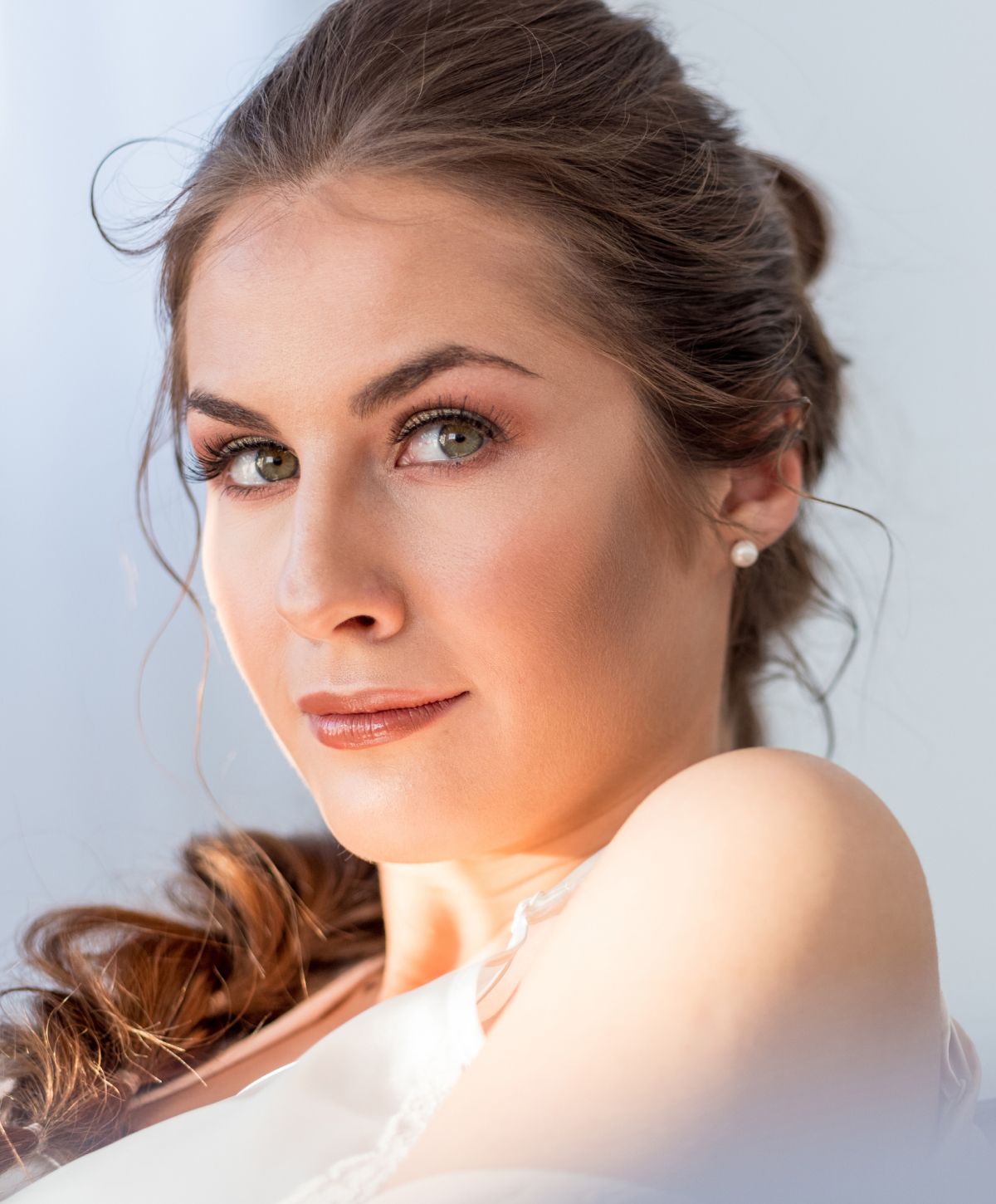

You may be a good candidate if you want subtle changes across one or more areas and prefer a custom plan built around your features. Good candidates are generally healthy adults with realistic expectations who are comfortable with injectable treatment.
Facial balancing is not limited to one age group. Younger patients may want to refine proportion or contour, while others may be focused on restoring support after age-related volume changes.
Treatment may need to be delayed or avoided if you have an active infection or inflammation near the treatment area, certain allergies, a bleeding disorder, or another concern that affects safety. Pregnancy, breastfeeding, previous filler, blood-thinning medications, and your medical history should also be discussed during your facial balancing consultation.
Your appointment begins with a consultation and facial assessment. We will talk about what you notice, what you want to preserve, and how much change feels comfortable. Your provider will then recommend the areas and products that fit the plan, explain the expected timeline, and review risks before treatment.
If you move forward, injections are placed with careful attention to anatomy, proportion, and advanced techniques. Sensation varies by area and product, but brief pinching or pressure is common. Numbing agents may be used when appropriate to help keep discomfort minimal.
Most patients find the treatment experience very manageable, and appointment length depends on how many areas are treated.
Mild swelling, redness, tenderness, or bruising can happen after injectable treatment. These effects are usually temporary and typically resolve as the area settles. The amount of swelling depends on the treatment area and product used.
Follow your provider’s instructions closely and avoid unnecessary pressure on treated areas. Starting with clean skin, following your aftercare plan, and returning for any recommended follow-up can help support healing and optimal results.
Seek prompt medical attention for unusual pain, skin color changes, vision changes, or other concerning symptoms after filler treatment.
Timing depends on your plan. Hyaluronic acid fillers can create visible volume right away, though swelling can affect the early appearance. Botox and Dysport develop over several days. Sculptra changes appear gradually, while Radiesse can provide immediate support with continued collagen-related improvement.
Because different products behave differently, your provider will explain what to expect from each part of the plan.

There is no single timeline because each product behaves differently. Some fillers may last several months or longer, while collagen-stimulating treatments follow a different timeline. Results vary based on product, treatment area, metabolism, movement, and how your body responds.
We reassess the face over time before recommending additional treatment so maintenance stays aligned with your features and goals.
Cost depends on the products used, the number of treatment areas, the amount of product needed, and whether your plan is completed in one visit or staged. A smaller plan focused on one feature may look very different from a broader treatment plan involving the cheeks, chin, lips, or jawline.
Your consultation gives us the chance to map out treatment and review pricing before you move forward.
At 4esthetics Lounge, facial balancing is the perfect treatment for almost anyone looking for balanced, natural results. Our nurse practitioner-led team combines clinical expertise, experienced injectors, and a strong understanding of facial anatomy to create treatment plans that respect your natural beauty.
As a Lexington med spa, we want every patient to feel comfortable asking questions and understanding why a treatment is being recommended. The goal is thoughtful, natural-looking refinement in a supportive, luxurious environment.
Schedule a complimentary facial balancing consultation at 4esthetics Lounge in Lexington, KY to talk through your options.
No. Dermal fillers can be part of facial balancing, but a plan may also include collagen-stimulating injectables or neuromodulators depending on your anatomy and goals.
There is no standard number. Some patients need a small amount in one area, while broader plans may require more product or staged appointments.
Yes. Lip filler may be included when lip shape, volume, or proportion is part of the overall balance being addressed. In some cases, a lip flip may also be discussed if muscle movement is affecting the upper lip.
Sometimes. More involved plans may be staged so swelling can settle and your provider can reassess before adding more treatment.
You do not need to choose the product before your visit. Your provider will recommend an option based on the area, tissue needs, movement, facial structure, and desired result.
The amount and placement of product determine how noticeable a change looks. At 4esthetics Lounge, the plan is built around proportion, conservative treatment, and natural results.
Facial balancing is non-surgical and uses injectables to improve proportion, contour, or volume. Plastic surgery can create more structural or permanent changes, so the right option depends on the degree of correction you want and your comfort with surgery.
859-334-0484
Mon & Wed: 10 AM - 7 PM
Tues/Thurs & Fri: 10 AM - 5 PM
Sat: 10 AM - 4 PM ( 2 Saturdays a month)
Sun: Closed